Materials / Die Casting Alloys

Die casting materials selected for the part, process and environment

The best alloy balances strength, weight, castability, corrosion behavior, heat transfer, finishing and total manufacturing cost.

Alloy and application review Alloy and application review
Aluminum
General and thermal parts
Zinc
Detail and small parts
Project-specific
Final selection by drawing
01 / Overview

How to choose between aluminum and zinc alloys

Each alloy page explains typical use, manufacturing behavior and the questions that need to be answered before a quotation.

Alloy recommendations remain subject to the customer standard, controlled drawing and application review. The zinc process route, wall range and plating rules are collected on the Zamak die casting page.

02 / Selection

How to choose a die casting alloy

To choose a die casting alloy, compare the load case, operating environment, wall thickness, sealing requirement, finishing route and annual volume before comparing price per kilogram.

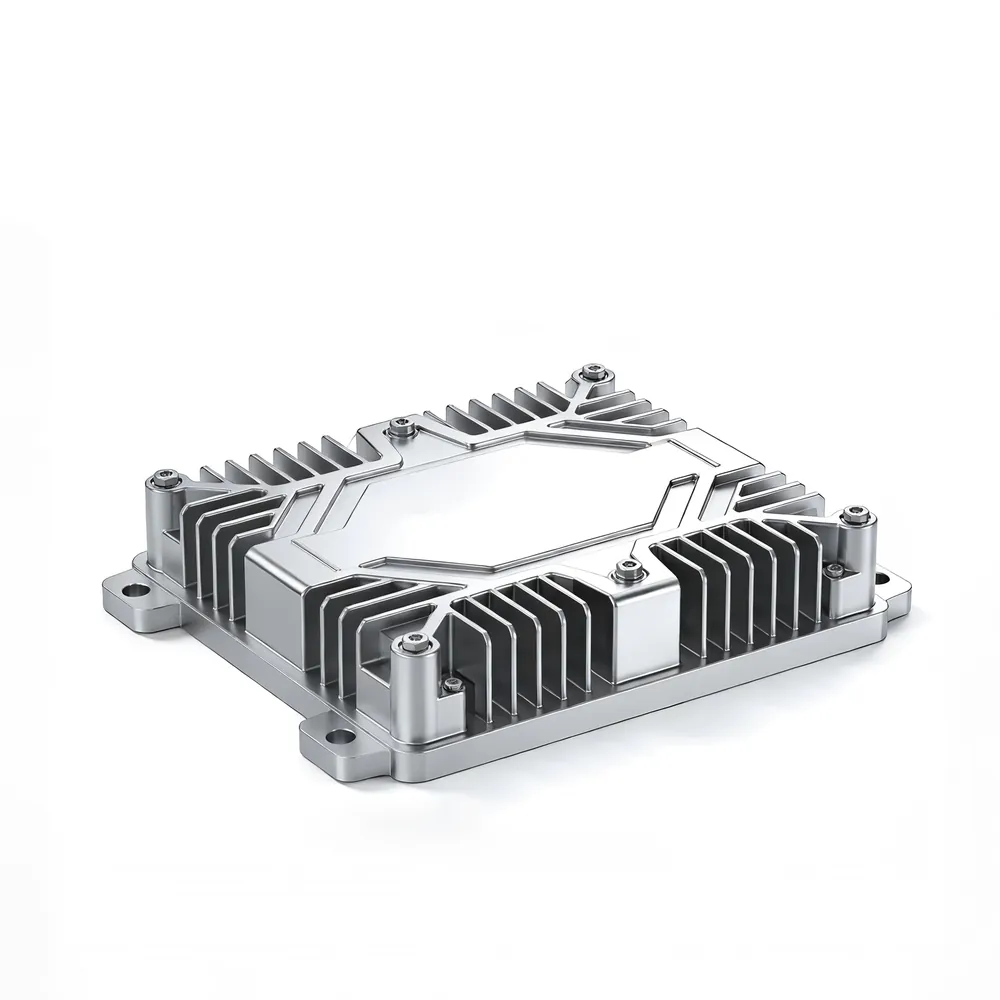
Aluminum alloys are normally selected for larger structural and thermal parts, while zinc alloys suit smaller, thinner and more detailed components. The controlled drawing and any customer material standard always take priority over a general recommendation.

ADC12Al-Si-Cu, JIS. General housings, covers and industrial components where castability and cost dominate.
A380Al-Si-Cu, North American specification. Pressure-tight housings, structural parts and automotive components.
A360Al-Si-Mg. Selected where corrosion resistance and pressure tightness matter more than fluidity.
Zamak 3Zinc alloy for thin walls, fine detail and decorative parts with moderate strength demand.
Zamak 5Zinc alloy with higher strength and wear resistance for hardware and mechanical fittings.
Related pages

Continue through the project path.

Use the internal links to connect the material, process, industry, product and RFQ pages around one project decision.

Send the drawing. Get the engineering questions first.

Include the material, annual quantity, finishing requirement, target market and delivery date. The review can start from STEP, IGS, DWG, DXF, PDF or ZIP files.

Start an RFQ
Upload drawing