
Part and volume review
Confirm the drawing revision, annual demand, machine and quality requirement.
A die is a production asset. Its layout, steel, cooling, ejection and maintenance plan determine the stability of every part that follows.
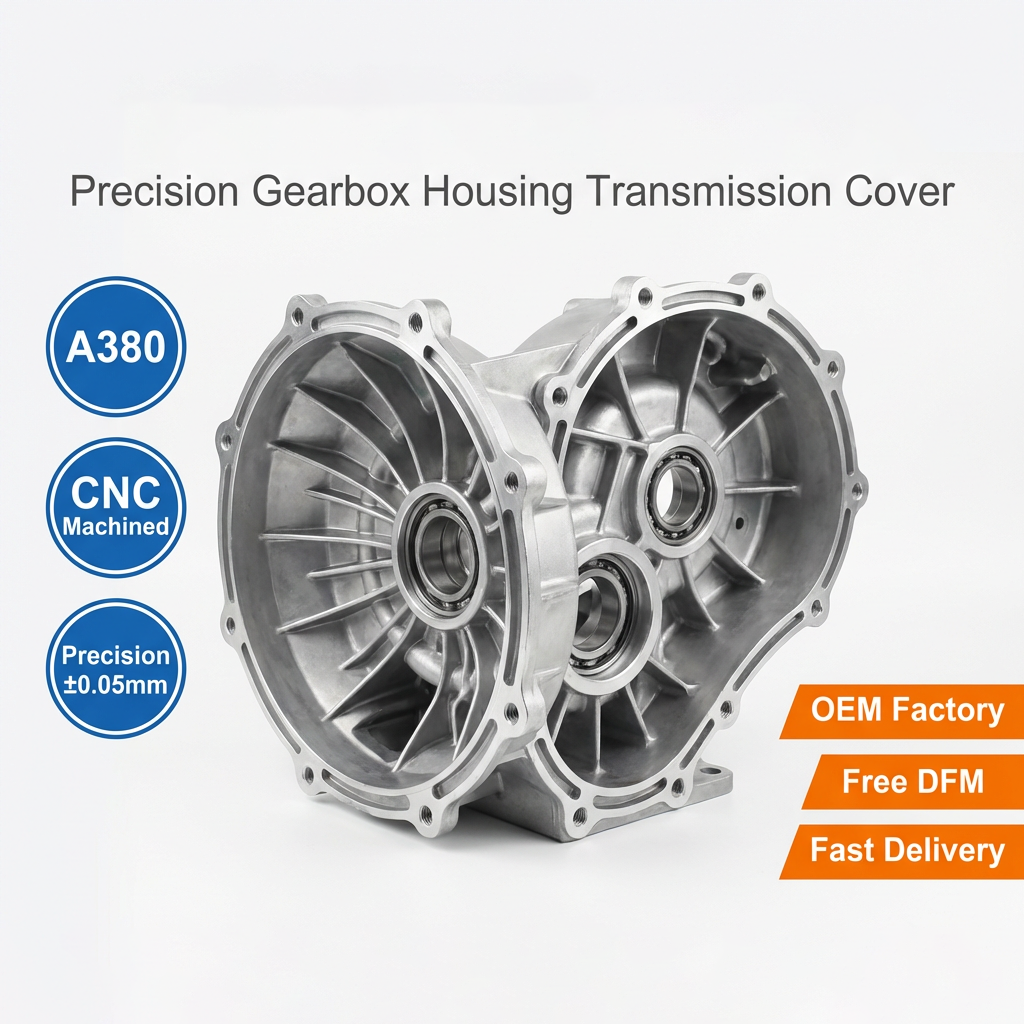 Die Casting Tooling project review
Tooling is not a separate purchase from production. Gate location, runner design, cooling, venting, slides, inserts, ejection and machining datums all affect cycle time, porosity, flatness and maintenance cost.
Chengdacai reviews part geometry, annual volume, material, machine range, finishing and expected production life before proposing a mold concept.
Use this table for project planning, then confirm every critical value against the approved drawing and process plan.
| Tooling inputs | STEP, IGS, STP, SolidWorks, Pro-E, DWG, DXF and PDF by project |
|---|---|
| Design review | DFM, parting line, gate, runner, cooling, venting and ejection |
| Typical mold steel | H13 / SKD61 |
| Mold trial | T1 sample, dimensional review and adjustment plan |
| Mold life | 100,000 to 500,000 shots, depending on steel, process and maintenance plan |
| Ownership | Defined in the quotation or supply agreement before the project starts |
Each stage produces a decision or document that the next stage depends on. This keeps engineering, purchasing and production aligned.
Confirm the drawing revision, annual demand, machine and quality requirement.
Plan parting, gating, cooling, ejection, inserts and maintenance access.
Machine, EDM, fit and assemble the mold against the approved design.
Produce the trial sample, review measurements, correct the tool and document release.
These answers define the normal project path and the information needed for a useful quotation.
Provide the controlled 2D/3D drawing, material requirement, annual quantity, finishing requirement, critical dimensions, target market and delivery date.
An initial feasibility discussion is possible, but the quotation and tooling scope should be based on a controlled drawing revision.
Tolerance and inspection requirements are defined from the drawing, critical features, process capability and agreed datum strategy.
Ownership, storage, maintenance and transfer terms are defined in the quotation or supply agreement before the tooling project starts.
Use the internal links to connect the material, process, industry, product and RFQ pages around one project decision.
Include the material, annual quantity, finishing requirement, target market and delivery date. The review can start from STEP, IGS, DWG, DXF, PDF or ZIP files.