
Part review
Confirm wall thickness, feature size, appearance requirement and plating compatibility.
Zinc alloys support fine surface detail, thin sections and stable small components when the part weight and operating environment suit the material.
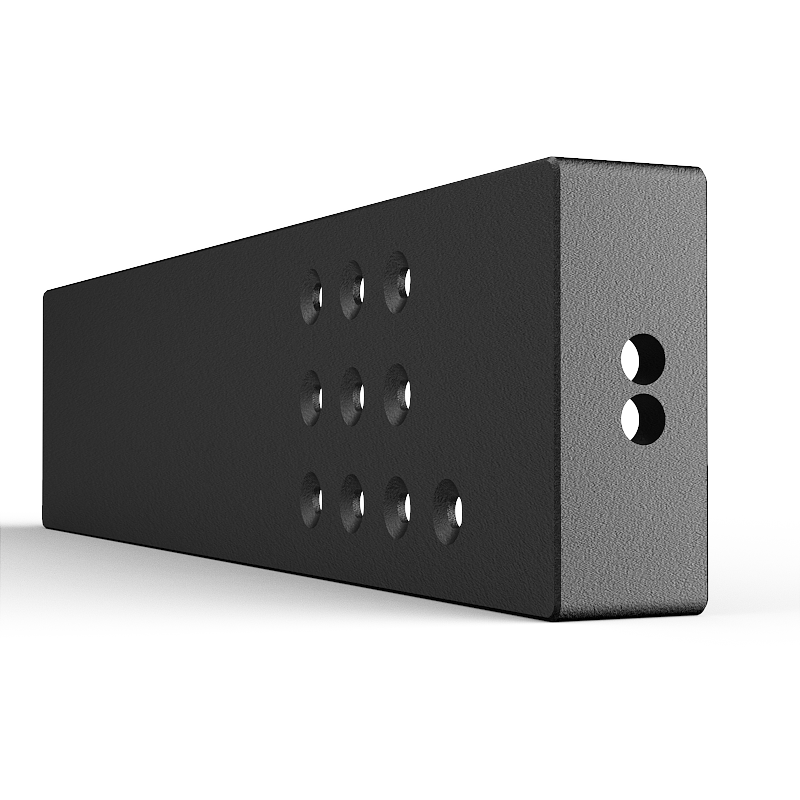 Zinc Die Casting project review
Zinc die casting is often used for smaller precision parts, hardware, electronic fittings, locks and decorative housings. It can reproduce fine detail and can accept a range of plated, painted or polished finishes.
Zinc is not selected by detail alone. Weight, corrosion exposure, strength, assembly loads and total cost must be compared with aluminum and magnesium.
Use this table for project planning, then confirm every critical value against the approved drawing and process plan.
| Common alloys | Zamak 3, Zamak 5 and other project-specific grades |
|---|---|
| Typical process | Hot- or cold-chamber die casting by part and machine setup |
| Surface detail | Suitable for fine texture and small features |
| Finishing | Plating, painting, polishing and other finishes by project |
| Machining | Drilling, tapping, reaming and light milling as required |
| Production data | 500,000+ pieces per month across 20+ die casting machines |
Each stage produces a decision or document that the next stage depends on. This keeps engineering, purchasing and production aligned.
Confirm wall thickness, feature size, appearance requirement and plating compatibility.
Compare Zamak 3, Zamak 5 and alternative grades against strength and finishing.
Plan gate, runner, cooling and ejection for small, detailed geometry.
Approve surface preparation and cosmetic requirements before volume release.
These answers define the normal project path and the information needed for a useful quotation.
Provide the controlled 2D/3D drawing, material requirement, annual quantity, finishing requirement, critical dimensions, target market and delivery date.
An initial feasibility discussion is possible, but the quotation and tooling scope should be based on a controlled drawing revision.
Tolerance and inspection requirements are defined from the drawing, critical features, process capability and agreed datum strategy.
Ownership, storage, maintenance and transfer terms are defined in the quotation or supply agreement before the tooling project starts.
Use the internal links to connect the material, process, industry, product and RFQ pages around one project decision.
Include the material, annual quantity, finishing requirement, target market and delivery date. The review can start from STEP, IGS, DWG, DXF, PDF or ZIP files.