
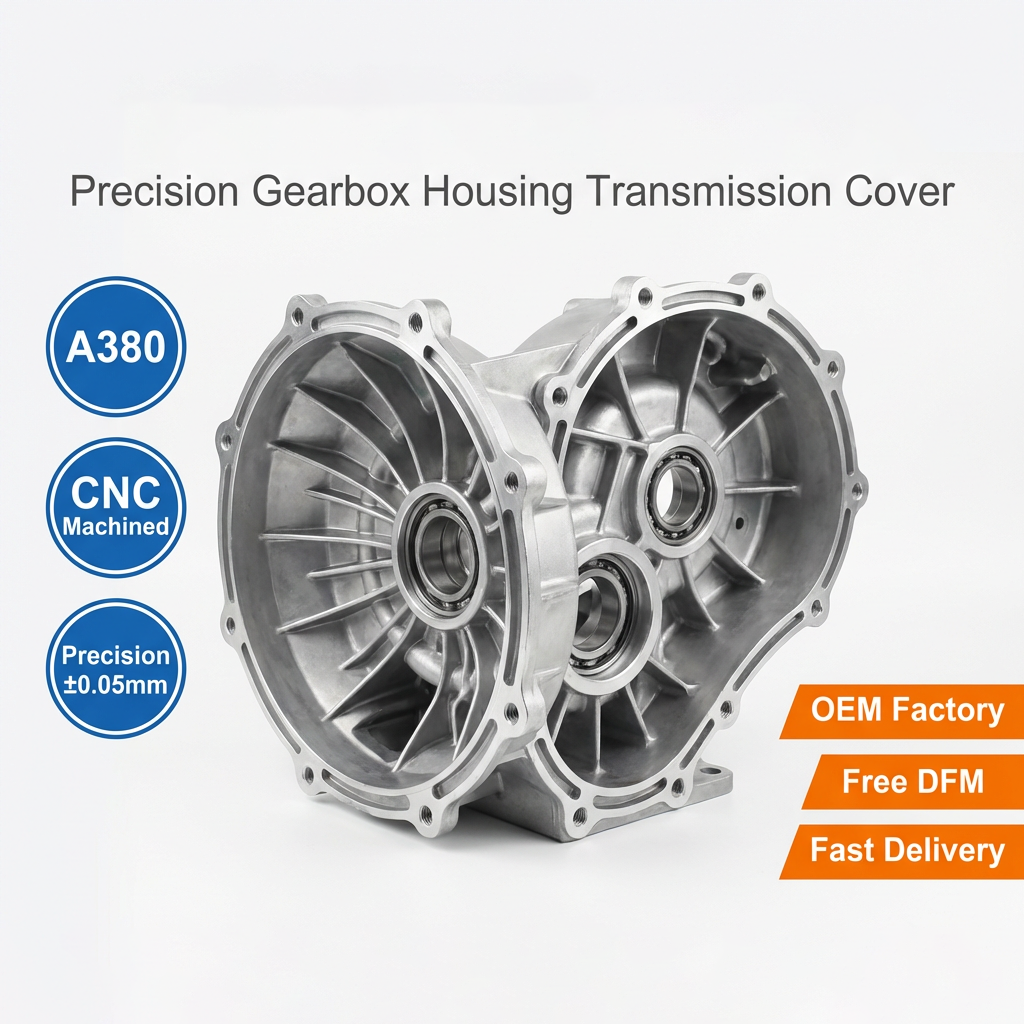
Capabilities / Die Casting

Custom die casting capabilities connected under one project path

Start with the drawing and let the manufacturing route follow the part: tooling, casting, machining, finishing, assembly, inspection and delivery.

Engineering-led die casting capability Engineering-led die casting capability
DFM
Drawing review
Tooling
Mold planning
HPDC
Casting route
Finished parts
Secondary operations
01 / Overview

Capability should be easy for a buyer to verify.

The capability section explains what can be produced, how the process is planned and what remains project-specific.

Machine range runs from 160T to 800T across 20+ die casting machines, with 30+ CNC units and 500,000+ pieces of monthly capacity behind the process.

Explore

Pages in this section.

Each page is structured around one project decision and links back to materials, processes, quality and RFQ.

Buyer questions

Questions to resolve before production.

These answers define the normal project path and the information needed for a useful quotation.

Provide the controlled 2D/3D drawing, material requirement, annual quantity, finishing requirement, critical dimensions, target market and delivery date.

An initial feasibility discussion is possible, but the quotation and tooling scope should be based on a controlled drawing revision.

Tolerance and inspection requirements are defined from the drawing, critical features, process capability and agreed datum strategy.

Ownership, storage, maintenance and transfer terms are defined in the quotation or supply agreement before the tooling project starts.

Related pages

Continue through the project path.

Use the internal links to connect the material, process, industry, product and RFQ pages around one project decision.

Send the drawing. Get the engineering questions first.

Include the material, annual quantity, finishing requirement, target market and delivery date. The review can start from STEP, IGS, DWG, DXF, PDF or ZIP files.

Start an RFQ
Upload drawing