
Use-case review
Confirm the environmental, visual and electrical requirement.
Finishing is an engineering choice. Color, texture, corrosion protection, electrical behavior and dimensional change must be reviewed together.
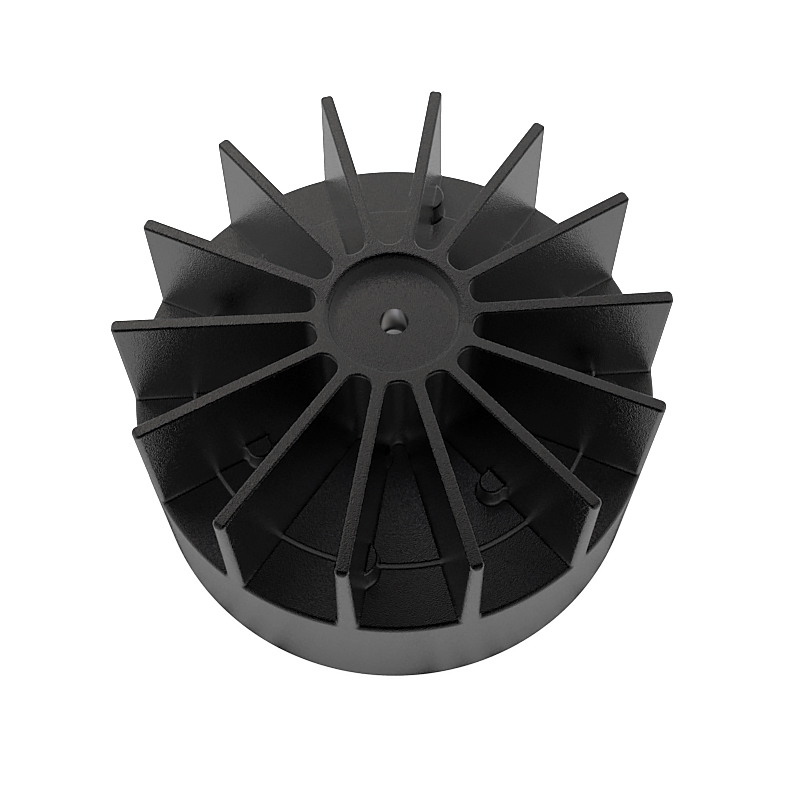 Surface Finishing project review
Surface treatment can improve appearance, corrosion resistance, wear behavior, thermal performance and assembly compatibility. The correct finish depends on the alloy, environment, masking requirement and cosmetic standard.
Anodizing, powder coating, plating, polishing, sandblasting, painting and passivation run in-house, so finish, masking and inspection stay on one production route.
Use this table for project planning, then confirm every critical value against the approved drawing and process plan.
| Finishing options | Anodizing, powder coating, plating, polishing, sandblasting, painting, passivation and chromate conversion by project |
|---|---|
| Appearance control | Color, gloss, texture and cosmetic zone to be approved by sample |
| Corrosion target | Defined by operating environment and test requirement |
| Masking | Threads, seals, contacts and critical dimensions must be identified |
| In-house | Anodizing, powder coating, plating, polishing, painting and blasting |
| Inspection | Visual, thickness and adhesion checks defined by finish and drawing |
Each stage produces a decision or document that the next stage depends on. This keeps engineering, purchasing and production aligned.
Confirm the environmental, visual and electrical requirement.
Compare process cost, durability, appearance and dimensional impact.
Approve color, texture, gloss and masking boundary.
Use the approved process and inspection plan for each batch.
These answers define the normal project path and the information needed for a useful quotation.
Provide the controlled 2D/3D drawing, material requirement, annual quantity, finishing requirement, critical dimensions, target market and delivery date.
An initial feasibility discussion is possible, but the quotation and tooling scope should be based on a controlled drawing revision.
Tolerance and inspection requirements are defined from the drawing, critical features, process capability and agreed datum strategy.
Ownership, storage, maintenance and transfer terms are defined in the quotation or supply agreement before the tooling project starts.
Use the internal links to connect the material, process, industry, product and RFQ pages around one project decision.
Include the material, annual quantity, finishing requirement, target market and delivery date. The review can start from STEP, IGS, DWG, DXF, PDF or ZIP files.