
Weight target review
Confirm why magnesium is needed and compare it with aluminum options.
Magnesium can reduce part mass and support thin, stiff geometries when the design, material handling and process controls are appropriate.
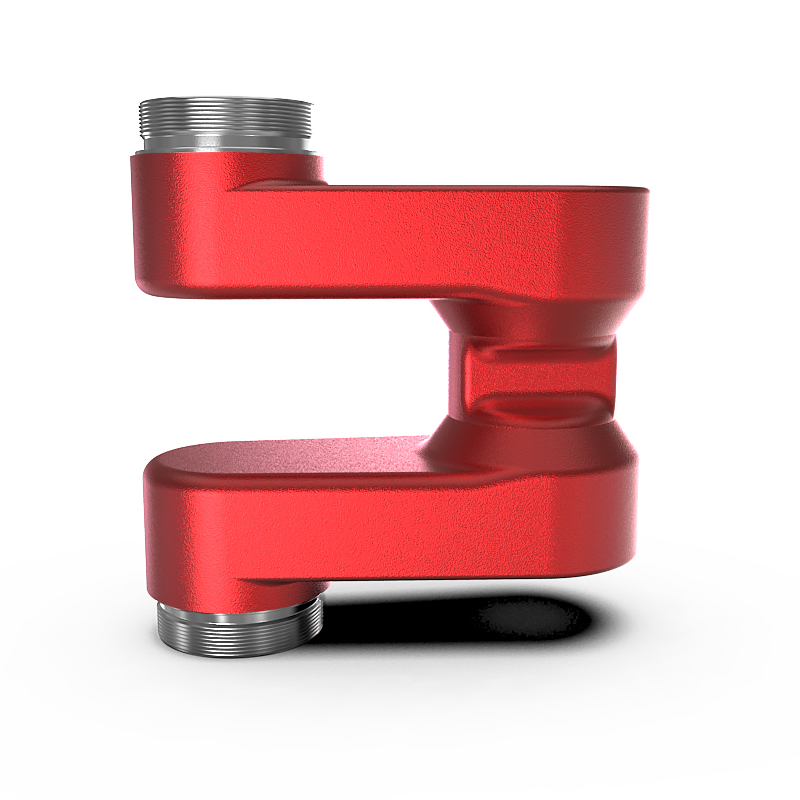 Magnesium Die Casting project review
Magnesium die casting is considered when weight reduction is a primary design goal. It can offer good castability and stiffness, but it requires careful control of material handling, corrosion protection and process safety.
A magnesium project should start with a clear comparison against aluminum: mass target, stiffness, corrosion environment, joining method and finishing cost.
Use this table for project planning, then confirm every critical value against the approved drawing and process plan.
| Common alloys | AZ91D and AM60B |
|---|---|
| Primary benefit | Low density and good castability |
| Process control | Material handling, melt protection and corrosion planning |
| Finishing | Conversion coating, painting and other project-specific protection |
| Machining | Dry machining controls and chip handling must be planned |
| Production data | 500,000+ pieces per month across 20+ die casting machines |
Each stage produces a decision or document that the next stage depends on. This keeps engineering, purchasing and production aligned.
Confirm why magnesium is needed and compare it with aluminum options.
Assess moisture, salt, contact metals and coating requirements.
Define melt protection, transfer, tooling, machining and finishing controls.
Inspect dimensions, material condition and protective finish before release.
These answers define the normal project path and the information needed for a useful quotation.
Provide the controlled 2D/3D drawing, material requirement, annual quantity, finishing requirement, critical dimensions, target market and delivery date.
An initial feasibility discussion is possible, but the quotation and tooling scope should be based on a controlled drawing revision.
Tolerance and inspection requirements are defined from the drawing, critical features, process capability and agreed datum strategy.
Ownership, storage, maintenance and transfer terms are defined in the quotation or supply agreement before the tooling project starts.
Use the internal links to connect the material, process, industry, product and RFQ pages around one project decision.
Include the material, annual quantity, finishing requirement, target market and delivery date. The review can start from STEP, IGS, DWG, DXF, PDF or ZIP files.