
Project case / Machinery and equipment

Large camera casing: die casting, extrusion and CNC machining

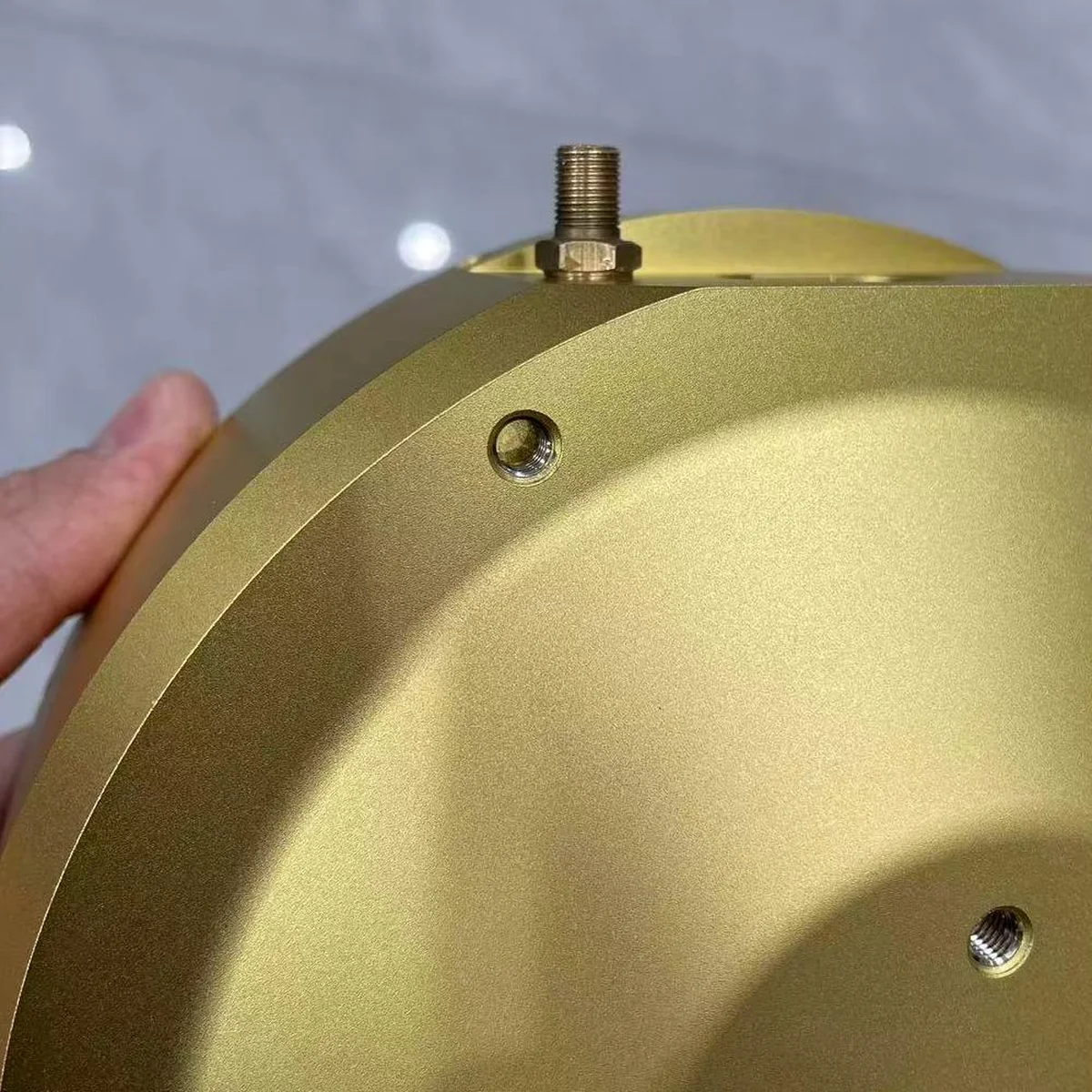
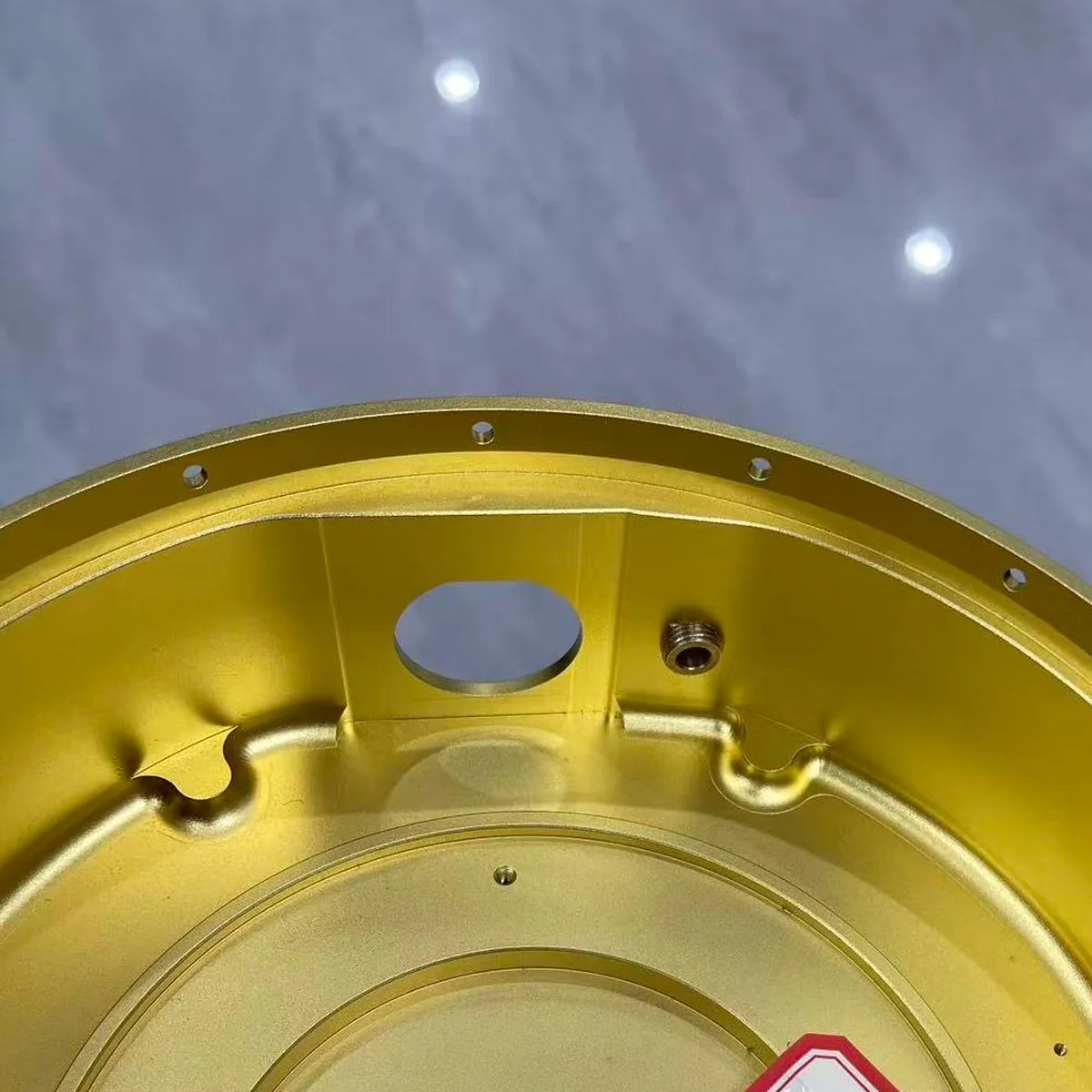
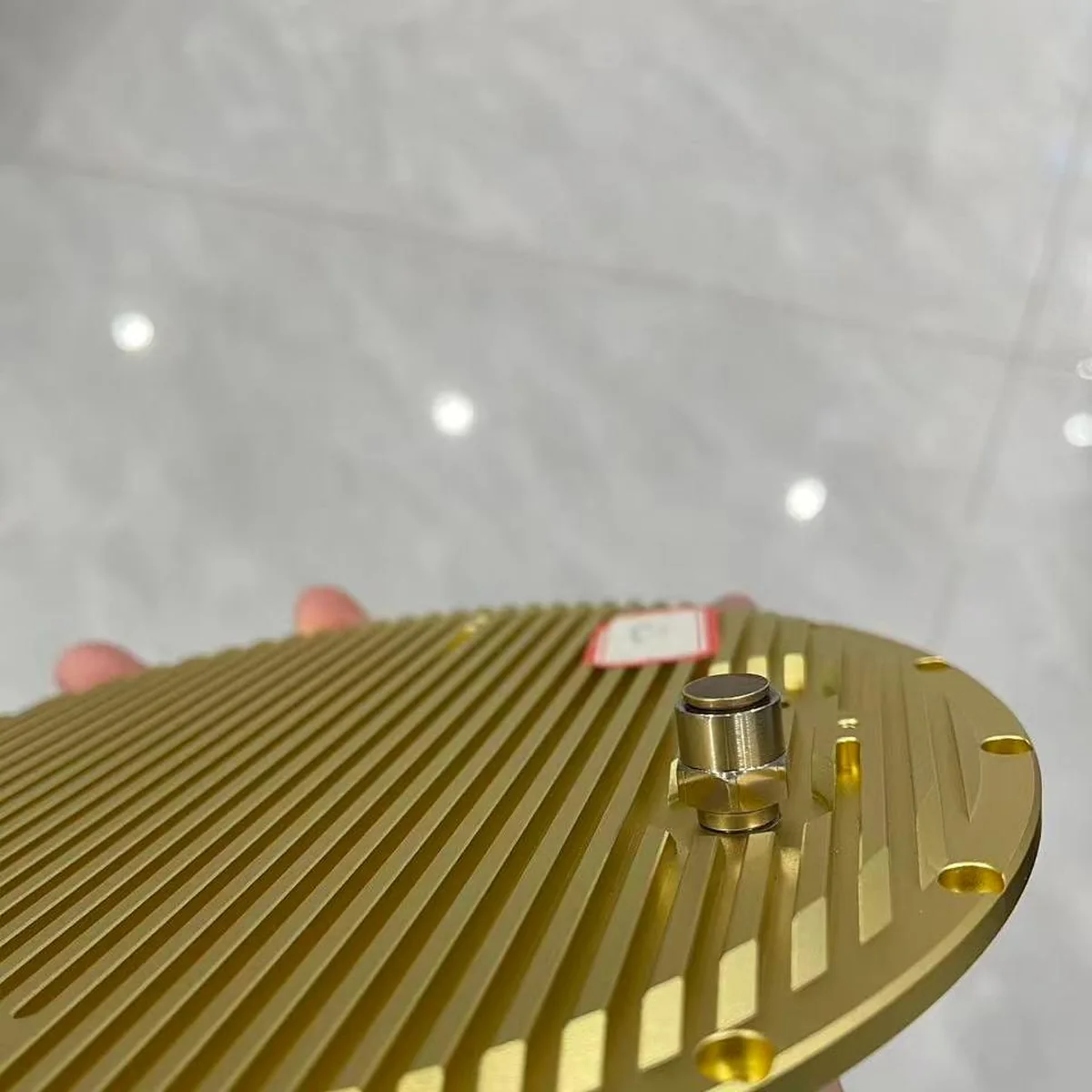
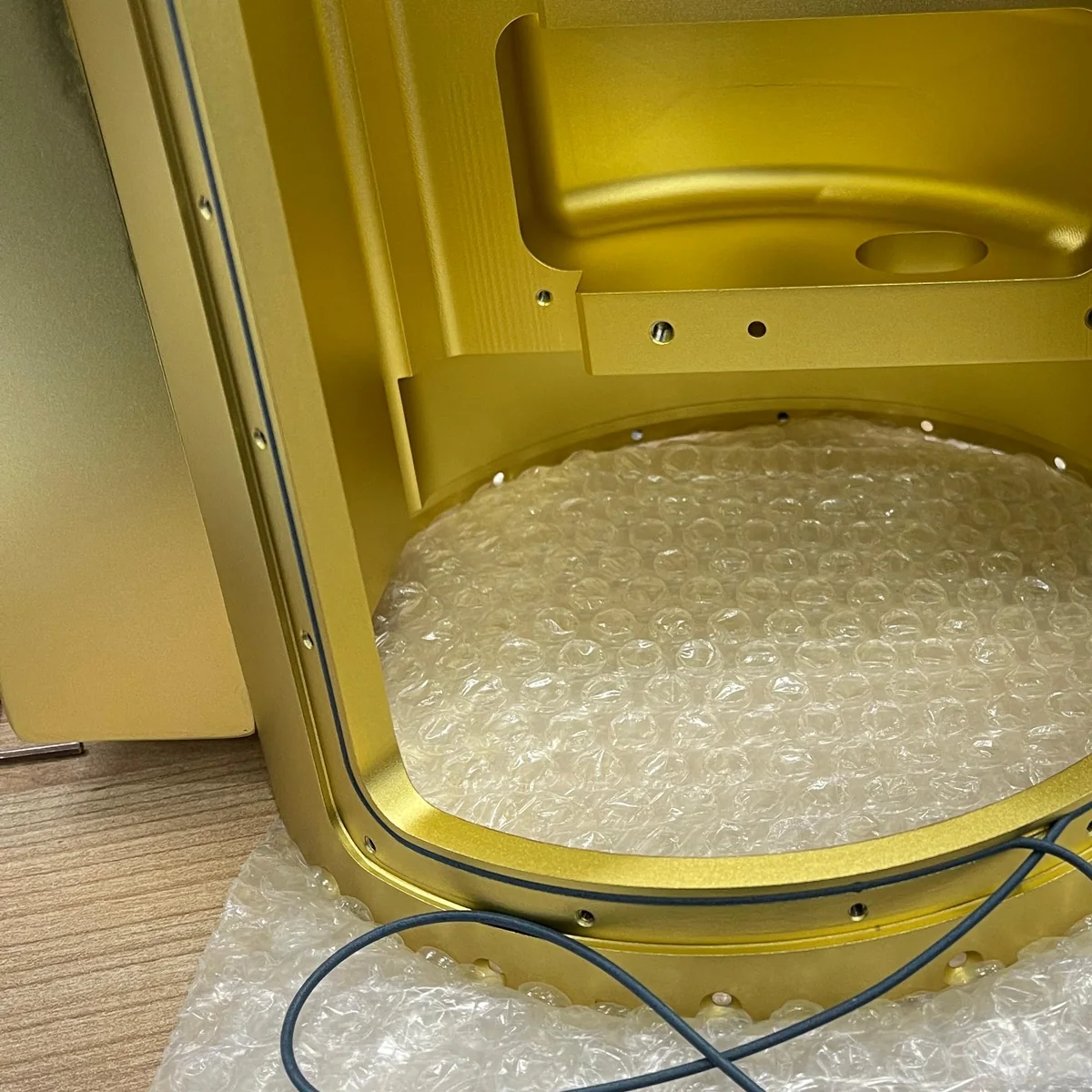
One casing produced by ADC12 die casting, AL6063-T5 extrusion and CNC machining, with anodizing and Alodine applied to the same product.

Material
ADC12 and AL6063-T5
Processes
Casting, extrusion, CNC
Finishing
Anodizing and Alodine
First batch
780 units
01 / Requirement

What the customer asked for

The customer arrived with a completed design and a specific ask: not from-scratch development, but engineering support to make that design production-ready and to reduce what it would cost to manufacture.

Engineering support was requested at the design-to-production stage, with cost reduction treated as a stated objective rather than an afterthought.

02 / Challenge

One part, three processes, two alloys, two finishes

The casing could not be produced by a single process. It combined die casting, extrusion and CNC machining, and it used two different aluminium alloys on the same product, which still had to come together as one assembly.

The finishing route was just as demanding: two different surface treatments on the same product, anodizing and Alodine (chromate conversion coating), each with its own masking and process sequence.

ADC12Aluminium die casting alloy (Al-Si-Cu, JIS). Used for the die-cast body of the casing.
AL6063-T5Aluminium extrusion alloy (Al-Mg-Si, T5 temper). Used for the extruded section of the casing.
03 / Engineering changes

What we changed

The redesign covered five areas together, because in a part that runs through three processes and two finishes the failure modes interact.

  • Flow and thermal layout — the feeding system, the overflow and venting arrangement, and the cooling circuit layout were redesigned.
  • Simulation before steel was cut — mould filling and solidification simulation was run on the new layout, so the defects were resolved in the model rather than in the tool.
  • Tooling specification — the mould steel grade and the heat treatment process were changed.
  • Part geometry — wall thickness, ribs, fillets and draft angles were adjusted.
  • Finishing route — the masking strategy and the process sequence for anodizing and Alodine were optimized.

The die casting tooling and engineering / DFM review pages describe how these decisions are normally handled on a new project.

04 / Result

What the first production batch measured

Our engineers held several rounds of online video conferences with the customer's designer. That dialogue is what made the project work: it gave the team a clear picture of the design intent and of the conditions the product would actually be used in.

The first production run was a trial batch of 780 units. Repeat orders followed, and the tool was specified for a 100,000-shot life to carry them. The effect of the redesign showed up as follows.

First-pass yield70% before, 95% after the redesign (+25 points).
Tool life50,000 shots before, 100,000 shots after (2×).
Tooling costDown 20%.
Unit production costDown 50%, stated including tooling amortization.

Unit production cost is stated including tooling amortization, so the figure reflects the real cost per delivered part rather than conversion cost alone.

Disclosure

What this case does and does not claim.

The figures on this page describe one project and its first production batch of 780 units. They are a record of that project, not a general performance claim.

Customer identity is withheld. The part, the process route, the engineering changes and the measured results are published from the project record.

Case questions

Questions this case answers.

Short answers on the process route, the cost figure and the design ownership of this project.

Die casting for the ADC12 body, extrusion for the AL6063-T5 section, and CNC machining to bring the assembly to the drawing. Anodizing and Alodine (chromate conversion coating) were both applied to the same product.

It is stated including tooling amortization, so it reflects the cost per delivered part rather than conversion cost alone. The figure applies to this project's first production batch of 780 units.

Yes. The customer supplied the design and the engineering work was to make it production-ready, not to replace it.

Yes, subject to a controlled drawing and a review of the process route. Send the drawing with material, annual quantity, finishing requirement, target market and delivery date.

Related pages

Continue through the project path.

Use the internal links to connect the project patterns, the capabilities used on this part and the RFQ step.

Send the drawing. Get the engineering questions first.

Include the material, annual quantity, finishing requirement, target market and delivery date. The review can start from STEP, IGS, DWG, DXF, PDF or ZIP files.

Start an RFQ
Upload drawing